Salinas Pest Control & Rodent Management Services
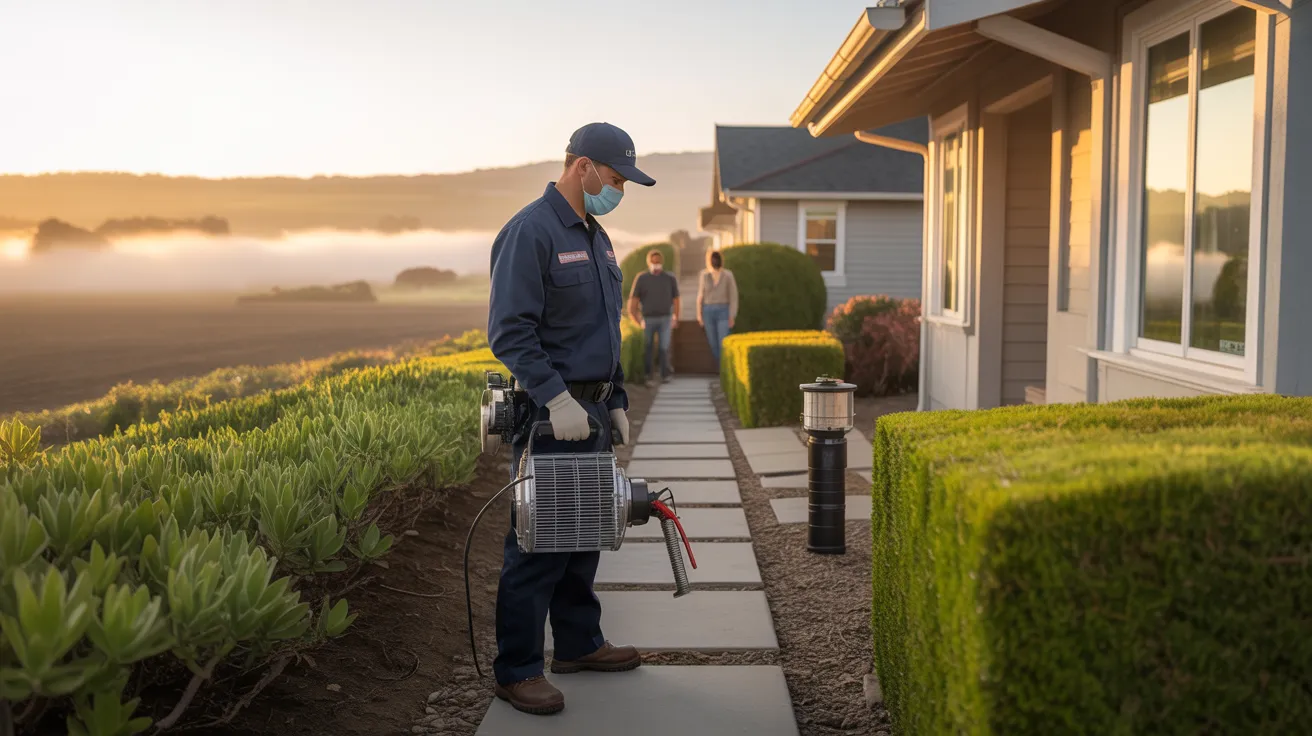
In Salinas, you require pest control and rodent prevention that matches seasonal ant, roach, spider, and rodent pressure from irrigation, moisture, and temperature shifts. You should demand a documented inspection, species identification, exclusion review, and monitoring plan before any treatment commences. Fast service enables you limit contamination, protect cables and food storage, and reduce escalation into walls or attics. Compliant providers also document baiting, sealing, sanitation corrections, and follow-up intervals so you can see what comes next.
Key Points
- Salinas properties commonly experience ants, cockroaches, spiders, earwigs, and rodents due to coastal temperatures, agriculture, irrigation, and seasonal harvest activity.
- Effective pest control starts with documented inspections identifying species, entry points, moisture sources, harborage zones, and sanitation risks.
- Urgent rodent service is necessary for fresh droppings, gnaw marks, scratching noises, grease trails, nesting debris, or visible daytime sightings.
- Rodent management combines exclusion, tamper-resistant bait stations, monitoring, greenery trimming, waste control, and moisture reduction around structures.
- Ongoing regular quarterly and seasonal inspections help verify barriers, track pest pressure, and update treatments before infestations escalate.
Common Unwanted Pest and Rodent Concerns in Salinas
The specific Salinas setting combines dense agricultural operations, consistent coastal temperatures, and seasonal rainfall, causing you highly prone to ongoing pest and rodent infestations throughout the year. Local circumstances sustain ants, cockroaches, spiders, earwigs, and commensal rodents that exploit food storage areas, irrigation zones, crawlspaces, and wall voids. You encounter Seasonal infestation spikes as weather shifts, harvest cycles, and rainfall patterns change harborage and foraging habits.
To reduce susceptibility, you should pinpoint Rodent attractants quickly and correct facility, sanitation, and water issues before populations develop. Heavy vegetation near foundations, unsealed utility penetrations, standing water, and poorly managed waste handling raise site risk. Exclusion, habitat modification, monitoring, and documentation should be featured in a compliance-driven prevention plan, particularly for food handling properties governed by health, safety, and audit standards in commercial and residential settings.
Urgent Signs You Need Mouse and Rat Control Immediately
Commonly, rodent infestation becomes critical when you discover fresh droppings, oil marks along baseboards, gnaw damage on boxes or wiring, sounds in ceilings, or a strong ammonia-like scent in enclosed zones.
You should also check for harborage debris, shredded paper, gnawed insulation, and rub marks near pipe penetrations. If you locate burrows near foundations, oil trails in crawlspaces, or tracks around stored food, your exclusion controls likely aren't working to expectation. Contamination of pet food, worn door sweeps, and damaged vent screens reveal existing access points that necessitate quick correction. You shouldn't disregard daytime sightings either; they frequently suggest population pressure and reduced harborage. Prompt evaluation helps you document entry routes, identify sanitation deficiencies, and implement compliant corrective actions before property vulnerabilities and contamination issues grow throughout your property further.
Why Rapid Pest Control Is Critical in Salinas
When pests obtain a foothold in Salinas, they can fast threaten food processing areas, damage insulation and wiring, and heighten your exposure to contamination risks that compromise both occupancy codes and regular operations.
You need rapid response because local seasonal cycles can hasten breeding cycles, send rodents indoors, and increase insect populations near moisture, crops, and storage areas. Quick action allows you limit structural damage, avoid droppings and nesting debris from spreading, and minimize the likelihood of failed inspections or interrupted workflows. It also reinforces sanitation programs by finding entry points soon, protecting inventory, and keeping your property consistent with health, safety, and facility maintenance regulations year-round in Salinas' fluctuating conditions.
What You Can Expect From Pest Control Treatment
Fast response creates the groundwork for efficient treatment, but you should also be aware of what the service itself involves. Your technician typically commences with a documented inspection to determine pest species, entry conditions, moisture sources, harborage areas, and activity patterns. That assessment informs a treatment plan consistent with label requirements, local regulations, and site-specific risk factors.
You can anticipate focused applications rather than unnecessary product use. Technicians may use spot treatments, baits, monitors, and exclusion recommendations where suitable. They should clarify reentry intervals, ventilation needs, sanitation steps, and follow-up timing. If you're addressing seasonal infestations, they'll modify scheduling and product selection to correspond with pest pressure and environmental conditions. Transparent communication about pet safety is essential too, so you should be provided instructions for keeping animals away from treated areas until products have set or settled.
What Rodent Control Services Offer
How do rodent prevention services prevent ongoing activity before it becomes an infestation? You receive a structured inspection that locates entry points, moisture sources, nesting zones, and food access. Technicians document risks, map exposed gaps, and verify sanitation conditions against current exclusion and safety standards. They install barriers at utility penetrations, door sweeps, crawlspace vents, and roofing intersections, including attic sealing where needed. You also get trap placement plans designed for monitoring, not just removal.
Prevention services also cover habitat correction and material recommendations that facilitate long term control. You may need plant trimming, storage adjustments, waste containment upgrades, and drain protections. Providers often use pet safe repellents in targeted areas and use tamper resistant devices where regulations require them. Clear reporting helps you track status, corrections, and compliance over time.
Ideal Timing to Schedule Pest or Rodent Service
Scheduling delivers best results before presence escalates from isolated signs to active harborage. You should arrange service when monitoring reveals droppings, rub marks, gnawing, nesting debris, grease trails, or repeated insect sightings. Early intervention minimizes contamination risks, safeguards food-storage areas, and supports sanitation compliance in homes, rentals, and professional facilities.
You should also use seasonal scheduling to align with pest pressure cycles. In Salinas, book inspections before spring breeding accelerates, before summer ant and fly activity heightens, and before fall rodents seek indoor shelter. After storms, plumbing leaks, construction, vacancy, or tenant turnover, plan another evaluation because facility gaps and moisture often produce new entry points. Keep emergency readiness by planning rapid service if you detect sudden daytime rodent activity, wasp nesting near entrances, or pests in critical areas.
Picking a Pest Control Service
You should confirm that any pest control business you employ holds active state licensing and relevant certifications, because compliance directly impacts well-being, legality, and service quality. You should also ask for the service to describe its treatment methods clearly, including specific pests, application processes, reentry intervals, and any required preventive actions. If a provider provides credentials and outlines protocols in simple terms, you can make a better-informed, smarter decision.
Credentials And Licensing
Proper credentials are essential since pest control activities necessitate regulated chemicals, application standards, and documented safety practices. You must validate that any service holds a current state license for California and can display current registration, operator classification, and proof of insurance. Inquire whether technicians receive ongoing compliance training and whether supervisors record inspections, corrective actions, and service records correctly.
You should also seek industry certifications that represent third-party standards beyond minimum licensing. Reputable companies often maintain training through accredited associations and follow written safety protocols, pesticide handling requirements, and recordkeeping rules. Verify that the company can supply Safety Data Sheets, employee qualification records, and renewal dates for all credentials. When you choose a licensed, certified provider, you minimize regulatory risk and improve accountability for your property.
Exploring Treatment Procedures
The subsequent step after you've validated licensing and certifications is to examine how a company manages and stops infestations. Ask for a written treatment document that identifies target pests, application locations, active ingredients, and required reentry times. Inspection findings, sanitation adjustments, exclusion actions, and monitoring protocols will be detailed by a compliant provider before introducing products.
You should also evaluate control solutions and their limitations. Integrated baits can facilitate targeted rodent management when placement adheres to label directions and secure station requirements. While ultrasonic repellents may offer limited supplemental assistance, they shouldn't take the place of trapping, sealing entry points, or documented habitat alteration. Choose a company that uses reduced-risk methods first, maintains service records, and tailors treatments based on pest pressure, occupancy, and environmental conditions to minimize recurrence and protect your property.
The Way Consistent Pest Management Works
You keep control through executing a systematic prevention plan with planned property inspections that pinpoint risk conditions before they escalate. You reduce pest pressure via strategic preventive treatments that match site conditions, product labels, and applicable safety requirements. You also enhance long-term rodent prevention through exclusion monitoring, which validates that seals, barriers, and entry-point controls maintain effective.
Property Inspection Scheduling
Property inspections performed on a consistent schedule help maintain proactive pest prevention by pinpointing factors that support rodent activity before infractions or infestations arise.
You maintain improved control by cataloging entry points, moisture sources, harborage zones, sanitation gaps, and structural deficiencies according to a regular inspection calendar.
Quarterly inspections help you verify that exclusion measures remain intact, waste handling meets site standards, and exterior conditions don't invite nesting.
Conducting seasonal surveys lets you observe changing pressure as temperatures, irrigation patterns, and food availability evolve across your property.
Across time, you can analyze findings, organize corrective actions, and support compliance with health, safety, and facility maintenance requirements.
Consistent inspections also generate a verifiable record, allowing you show due diligence, reduce risk exposure, and respond faster when early warning signs emerge during routine reviews.
Targeted Preventive Measures
You boost the value of inspection findings by matching them with targeted preventive treatments that address rodent pressure at specific risk points before activity advances. You implement controls where conditions enable harborage, feeding, or travel, using a documented plan coordinated with site use, sanitation standards, and label requirements. This approach lets you decrease attractants while maintaining reliable protection.
Positioning tamper-resistant bait stations in designated exterior zones, switching materials as needed, and validating placement against safety and regulatory criteria are critical practices. Inside and outside, you reinforce control results through habitat modification, including vegetation removal, clutter removal, moisture correction, and waste management optimizations. By resolving conducive conditions and maintaining treatment intervals, you decrease rodent pressure proactively, enhance audit readiness, and help keep your property operating within health and safety expectations year-round.
Oversight Rodent Exclusion
You need monitoring that ensures barriers remain undamaged, effective, and compliant to maintain rodent exclusion as building conditions change. You need regular inspections that verify door sweeps, vent screens, pipe seals, and exterior gaps still satisfy performance standards after weather, sanitation activity, and routine maintenance impact assemblies.
Deploying rodent proofing audits with documented checklists, photo records, and repair timelines is essential. These reviews help you assess exclusion integrity, identify new vulnerabilities, and confirm repairs meet site-specific risk thresholds. You'll also need trend data from trap checks, gnaw marks, droppings, and rub paths to confirm that exclusion measures remain effective. You must reevaluate entry points immediately when construction, landscaping, or utility work alters the structure. Consistent monitoring ensures compliance, lowers reinfestation risk, and keeps your prevention program auditable during inspections.
FAQ: Frequent Questions
Are Pest Control Treatments Risk-Free for Animals and Little Children?
For the most part, yes—pest control services can be protected for household pets and small children when you observe label directions precisely. You should check pet safety procedures, limit youngster interaction during treatment, and respect reentry intervals. Request EPA-registered solutions, precise application, and reduced-toxicity solutions. You'll also minimize risk by aerating service locations, storing chemicals properly, and implementing preventive steps like sealing access areas and removing sustenance.
Do You Offer Nature-Friendly or Low-Toxicity Pest Control Options?
Yes, you can choose nature-friendly or low-toxicity pest control solutions. You'll access combined solutions that focus on natural repellents, organic formulations, focused applications, and exposure-minimizing methods. Your service provider should follow label requirements, EPA guidelines, and location-based risk assessments to ensure adherence and effectiveness. You can also strengthen proactive control with sealing, hygiene practices, water management, and surveillance, which decrease pest activity while limiting product usage and fostering durable management results.
How Long Should I Stay Out Following a Pest Treatment?
You should stay out until applied rooms seem like clean, circulating air rather than a airtight jar—typically 2-4 hours, though certain chemicals necessitate additional periods. Consistently comply with the label's re entry time strictly. Verify ventilation needs, open windows if recommended, and keep children and pets out as well. If you detect residue, wait additional time. Your applicator should provide product-specific clearance instructions, and you should treat those as mandatory.
Can Pest Control Services Affect My Garden or Landscaping?
Yes, pest control applications can influence your garden or landscaping if applicators don't practice plant safe methods. You should demand targeted applications, protection zones, and label-compliant formulations to decrease exposure. Seasonal adjustments matter because temperature, rainfall, and plant development modify product behavior. You can preserve beds by covering sensitive plants, withholding irrigation until safe, and verifying the provider records drift prevention, drainage control, and reentry instructions for landscaping areas.
Do You Supply Complimentary Inspections or Written Service Proposals?
Yes, you have the ability to obtain free evaluations and written proposals before any service starts. You are provided a documented assessment that identifies pest activity, entry points, risk conditions, and proposed corrective actions. This procedure helps you verify scope, treatment protocols, and compliance factors in advance. You can review findings, compare service options, and approve only the work you require. That ensures you improved oversight, more effective preventive planning, and tighter cost control.
Wrap-Up
In Salinas, pest and rodent control should not be considered as non-essential maintenance. You require quick response, strategic treatment, and verified prevention that secures entry points before infestations worsen. A certified provider will inspect, address, track, and modify service based on risk, season, and property conditions. Think of prevention as a barrier for your facility: when it's pest control established correctly, it prevents costly breaches before they spread. Schedule service early, maintain in compliance, and safeguard your property year-round.